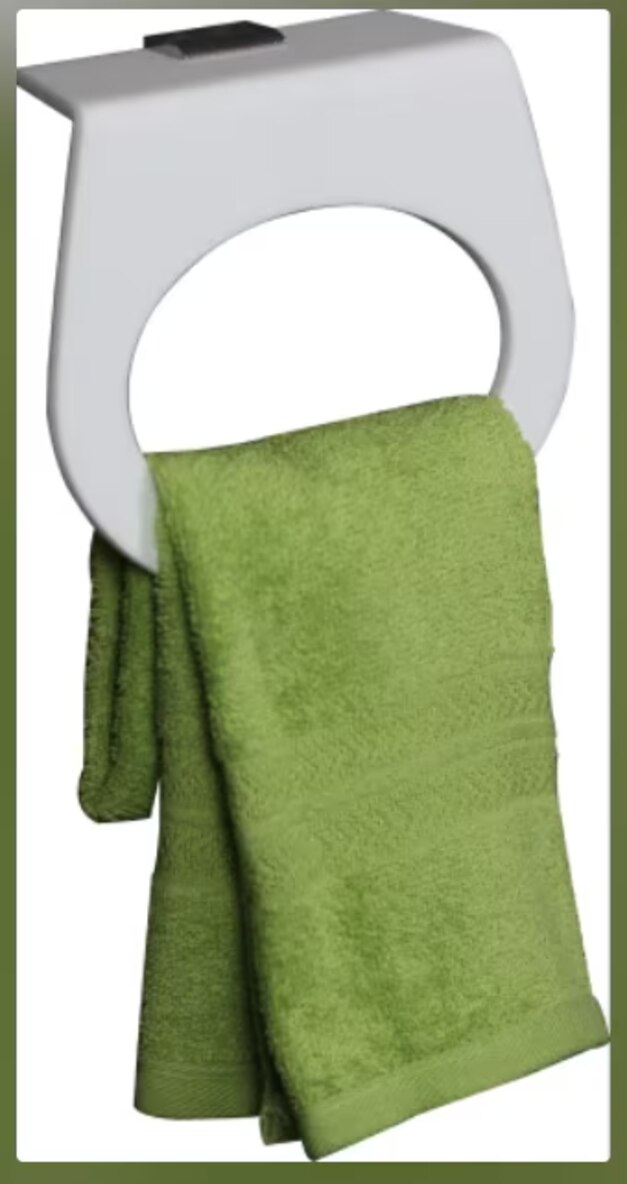
A folded hand towel can quickly become a leaning, damp stack that is difficult to pull from without disturbing the rest. The right holder, towel fold, fill level, placement, and cleaning routine let you keep towels aligned and within reach while recognising when an open rack, hook, or rail will work better.
Key takeaways
- Measure folded towels against the holder’s internal dimensions.
- Choose a holder designed for interfolded or multifold towels.
- Keep acrylic dry and clean it with mild, non-abrasive products.
- Use a towel dispenser when towels need enclosed, high-volume drying.
Choose the right towel format and loading method
Choose the towel format before choosing the holder. A holder marketed for napkins does not automatically fit interfolded or multifold hand towels. Measure each towel’s folded length, width, and thickness, then compare those measurements with the holder’s clear internal dimensions, not its outside size.
| Format | Loading method | Removal result |
|---|---|---|
| Paper napkins | Stack flat with the folded edge facing the opening | One napkin lifts out without disturbing the stack |
| Disposable hand towels | Load interfolded towels in their intended sequence | The next towel presents itself for single-towel dispensing |
| Reusable hand towels | Fold towels into thirds or roll them consistently, then stand them upright | One towel comes out while the remaining towels stay aligned |
Keep the folded footprint close to the holder’s internal width and depth. A cavity that is too wide lets towels slump; one that is too tight causes curling and dispensing friction. Add towels gradually rather than forcing in a full pack, and stop before the stack presses against the opening.
A front retaining lip prevents a tall, lightly loaded stack from sliding forward, but it must sit low enough for a user to grasp one towel easily.
An open-front acrylic holder keeps stock visible and avoids lid handling. Place it within natural reach but outside direct sink splash, so users do not touch a wet counter before removing a towel or transfer moisture to the stack. ખુલ
Match the holder to towel dimensions, placement, and access
Choose the holder from the towel’s clear internal dimensions, not its outside size. Measure the folded towel length, folded towel width, and folded thickness, then compare those figures with the holder’s clear internal dimensions.
Allow enough height for the intended pack count without compressing the stack; an oversized cavity lets towels slump, while a tight one creates curling and dispensing friction.
Countertop or wall-mounted placement changes the risk of movement and clutter:
| Option | Installation and position | Access and stability |
|---|---|---|
| Countertop | Set it on a level surface beside, not directly behind, the sink; use non-slip feet or a weighted base. | The user can pull one towel forward without reaching across water, while the base resists tipping. |
| Wall-mounted | Use only mounting points designed for the holder and fix it to a sound wall. | Keep the bottom above splash level and leave hand clearance below the opening. |
| Recessed or shelf placement | Place it in a dry shelf bay with clearance around the front and sides. | Prevents sideways movement, but a tight recess can make the first towel difficult to grasp. |
An open-front design keeps the remaining stock visible and allows single-towel removal without lifting a lid, but it exposes the stack to splash and dust.
Choose a low front retaining lip: it should stop a tall, lightly loaded stack sliding forward when bumped, yet leave enough of the top towel exposed for a clean one-handed pull. Keep the holder near the user’s natural reach, not where elbows or bags will strike it.
Inspect acrylic construction and compare alternative materials
A stable holder needs more than clear plastic. Check the acrylic thickness against the holder’s span and towel load: thin panels flex, causing the stack to lean or the base to creep across a wet counter. Look for rigidity, a broad non-slip base, polished edges, and radiused corners.
Sharp or poorly finished edges collect grime and chip during cleaning.
| Material | Stability and appearance | Durability and best use |
|---|---|---|
| Acrylic | Clear, rigid, and easy to inspect; thickness and base width determine stability. | Scratches and impact damage show readily; use polished edges, protective packaging, and a defined scratch-acceptance standard. |
| Stainless steel | Heavier and less likely to move; brushed finishes hide marks better than mirror finishes. | Resists impact and heat better, but fingerprints, water spots, and rust at poor welds remain concerns. |
| ABS plastic | Lightweight and opaque; colour hides internal marks and towel shadows. | Less premium visually; compare wall thickness and impact performance before choosing it for busy washrooms. |
Specify the folded towel’s dimensions separately from the holder’s external size, then check that the internal base does not trap wet fabric. ASTM D570 measures plastic water absorption, while ASTM D256 compares impact resistance; neither replaces checking the actual grade and design.
Reject a unit exposed to hot equipment unless its maximum service and cleaning temperatures are documented.
For a front-of-house installation, ask HV Enterprise or another supplier to confirm edge consistency, scratch limits, material grade, and packaging protection in writing. Clear acrylic rewards close inspection because dust, fingerprints, edge-polish variation, and internal reflections remain visible.
Control moisture, cleaning chemicals, and daily hygiene
Water left beneath the holder turns soap residue into a film that traps dust and leaves stains. Keep it outside the sink’s direct splash zone, and wipe spills from the base before they reach the towel stack.
Clean acrylic with a soft non-abrasive cloth and a mild cleaner diluted according to its label. Spray the cloth rather than flooding the holder, then wipe away residue with a clean damp cloth and dry every surface. Never scrub with scouring pads; fine scratches create a permanent haze.
- Empty the holder before cleaning so moisture and cleaner cannot soak the towels.
- Remove damp reusable towels immediately and dry them fully before returning them. A closed stack of damp fabric can develop odour or mould.
- Wipe soap splashes each day in a busy washroom; clean the holder more thoroughly when the surface feels sticky or looks cloudy.
- Inspect corners, drilled holes, and the underside for trapped water, cracked areas, or black spotting. Replace the holder if mould remains after cleaning.
Do not use acetone or ammonia-based products unless the supplier’s chemical-compatibility information specifically approves them. Solvents and concentrated cleaners can cause crazing or stress cracks, especially around holes and sharp corners.
Clear acrylic is not automatically antimicrobial, so hygiene depends on clean hands, limited contact with the remaining towels, regular turnover, and a dry storage area.
Know when a holder is the wrong towel-drying solution
A damp reusable towel needs airflow around damp towels, not a tightly packed stack. Choose another setup when towels remain wet between uses, when several people need to dry towels at once, or when the holder sits in high-temperature locations.
Avoid acrylic beside heating equipment or hot-water spray unless its maximum service and cleaning temperatures are documented and validated.
| Option | Use it when | Why |
|---|---|---|
| Hook | One towel needs to dry after each use | It keeps the towel separated from the wall and exposes both sides to air. |
| Towel rail | Several towels need regular drying | The horizontal gap prevents towels from overlapping and staying damp. |
| Slotted rack | You need faster drying for multiple towels | Open slots support separation and drainage instead of trapping moisture. |
Run these checks during each cleaning round:
- Pull the hook or rail lightly; tighten the mounting hardware if it shifts, tilts, or pulls away from the wall.
- Check that towels hang freely rather than touching the sink, floor, or another towel.
- Clear soap film, lint, and mineral deposits from rack slots so water can drain and air can pass through.
- Replace towels that smell sour or show mould, and inspect nearby joints for rust, cracking, or loosened seals.
- Keep the setup outside direct splash and confirm users can remove a towel without touching wet surfaces.
Frequently asked questions
How do you choose the right towel format for an acrylic holder?
Measure each towel’s folded length, width, and thickness, then check whether the holder accepts interfolded or multifold towels.
What should you check when matching a holder to its location?
Compare the holder’s internal dimensions with the towel size, and check clearance, mounting position, refill access, and one-handed dispensing space.
How should you clean and maintain an acrylic towel holder?
Remove dust and residue with a soft cloth, mild soap, and water. Avoid abrasive pads, solvents, and harsh chemicals that can scratch or craze acrylic.
When is an acrylic holder the wrong towel-drying solution?
Choose an enclosed dispenser or another drying system when towels face heavy moisture, high traffic, contamination risks, or frequent refilling demands.